Mastering Calibration in Dynamic Balancing for Optimal Rotor Performance
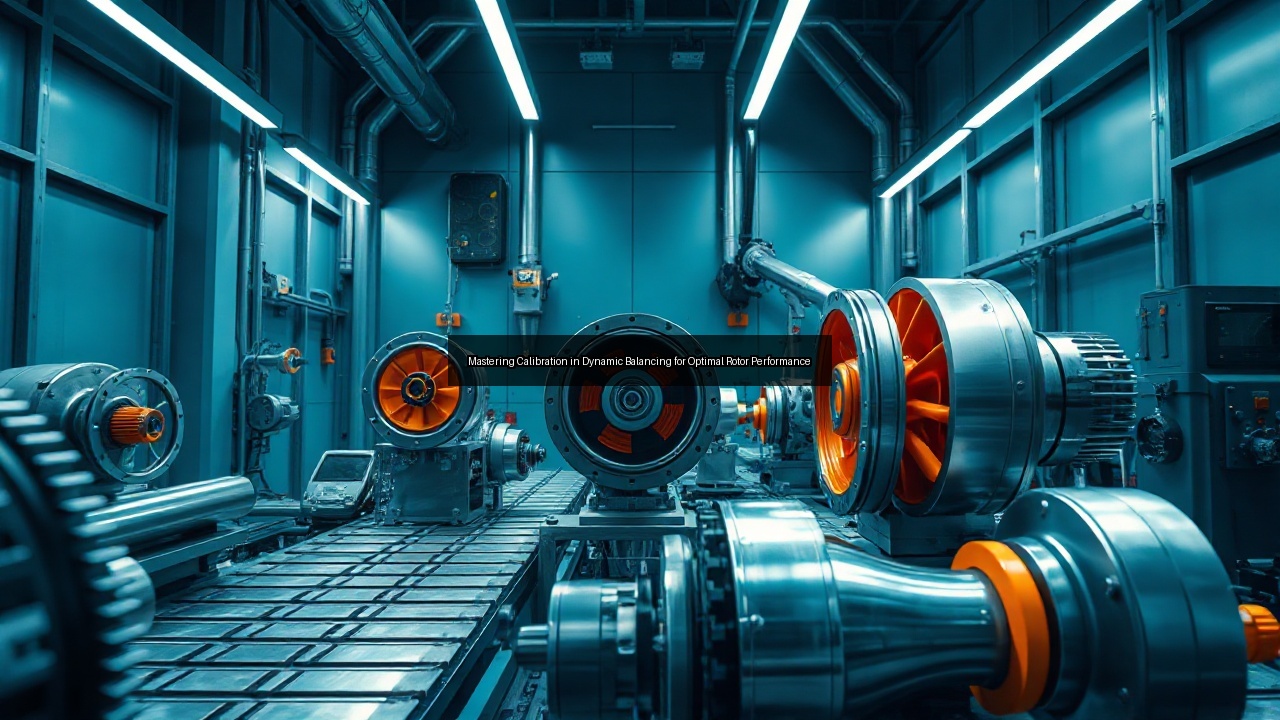
Understanding Dynamic Balancing Services
The Importance of Dynamic Balancing in Engineering
Dynamic balancing services play a crucial role in engineering, particularly in industries that depend on rotating machinery. Proper dynamic balancing ensures that rotors operate smoothly, minimizing vibrations that can lead to equipment wear and failure. Engineers recognize that imbalances can significantly affect the performance and lifespan of machines, especially in applications involving gas turbines, flywheels, and motors. Addressing these imbalances through effective calibration not only enhances machine performance but also reduces downtime and maintenance costs. This proactive approach to rotor balancing ultimately leads to increased efficiency and reliability in engineering projects.
Key Components: Weight and Shape in Rotor Design
Two fundamental aspects of rotor design are weight and shape. The distribution of weight across the rotor affects its balance during motion. An uneven weight distribution can cause vibrations, resulting in potential damage to bearings and other components. Engineers must carefully consider the shape of the rotor, as aerodynamic factors can influence how the rotor interacts with surrounding fluids, such as oil. A well-designed rotor optimizes both weight and shape, leading to enhanced performance and reduced energy consumption. In dynamic balancing services, achieving the right combination of these elements is essential for optimal rotor function.
Impact of Oil and Motion on Rotor Performance
Oil plays a significant role in the performance of rotors. It provides lubrication, reducing friction and wear during motion. The type and viscosity of the oil can influence the dynamic balance of the rotor. Inadequate lubrication can lead to increased vibration, overheating, and premature failure of machine components. Understanding the interaction between oil and rotor motion is vital for engineers when designing and maintaining rotating machinery. Regular inspections and calibrations are necessary to ensure that the lubrication system operates effectively, thereby maintaining optimal rotor performance and extending equipment life.
Calibration Techniques for Optimal Rotor Performance
The Role of Calibration in Dynamic Balancing
Calibration serves as a cornerstone in dynamic balancing, ensuring that machinery operates within the desired parameters. Accurate calibration aligns the rotor's performance with engineering specifications, preventing potential failures due to imbalances. This process involves measuring the rotor's vibrations and adjusting weight distribution as needed. Effective calibration requires skilled technicians who understand the intricacies of the machinery and the importance of precise measurements. By employing robust calibration techniques, organizations can achieve a higher level of operational efficiency, enhance rotor reliability, and reduce the risk of unexpected downtime.
Instruments and Instrumentation Used in Calibration
Dynamic balancing services rely on specialized instruments and instrumentation for accurate calibration. These tools measure vibration, displacement, and other critical parameters that affect rotor performance. Vibration analyzers, balancers, and laser alignment tools are commonly used to assess and adjust rotor balance. The use of advanced instrumentation allows technicians to identify issues quickly and implement solutions effectively. Additionally, the integration of technology in calibration processes enhances the accuracy and reliability of results, leading to better overall performance of the machinery involved. Investing in high-quality instruments is essential for achieving optimal rotor performance.
ISO 9001 and Quality Assurance in Calibration Processes
ISO 9001 certification signifies a commitment to quality assurance in dynamic balancing services. This international standard outlines the requirements for a robust quality management system, ensuring that calibration processes meet or exceed industry expectations. Organizations that achieve ISO 9001 certification demonstrate their ability to provide consistent and reliable services. The emphasis on quality assurance instills confidence in clients, as they can trust that their equipment will undergo thorough calibration and balancing. Compliance with ISO standards also encourages continuous improvement, driving organizations to enhance their calibration techniques and overall service delivery.
Advanced Methods in Dynamic Balancing
Nondestructive Inspection Techniques for Rotors
Nondestructive inspection techniques have revolutionized the way engineers assess rotor condition without causing damage. Methods such as ultrasonic testing and magnetic particle inspection allow for thorough evaluations of rotors' structural integrity. These techniques help identify cracks, stress points, or other issues that could lead to imbalances during operation. By integrating nondestructive inspection into dynamic balancing services, organizations can proactively address potential problems before they escalate, ensuring optimal rotor performance. These advanced methods provide a comprehensive understanding of rotor health, facilitating timely interventions and minimizing operational risks.
Thermography in Monitoring Rotor Performance
Thermography has emerged as an invaluable tool in monitoring rotor performance, enabling engineers to assess thermal patterns during operation. This technique identifies hotspots that may indicate excessive friction or misalignment, both of which can lead to imbalances and damage. By utilizing thermal imaging, technicians can pinpoint areas requiring immediate attention, thus preventing costly failures. Regular thermographic assessments enhance the overall dynamic balancing process, allowing for timely adjustments that optimize rotor efficiency. This proactive approach not only improves performance but also extends the lifespan of critical machinery.
Dynamic Balancing Adjustments for Gas Turbines and Flywheels
Gas turbines and flywheels present unique challenges in dynamic balancing due to their operational demands and design intricacies. Adjustments must be made with precision to counteract the forces generated during motion. Engineers employ dynamic balancing services to ensure that these components maintain stability and efficiency under varying loads and speeds. Special consideration is given to the materials used in construction, as well as the distribution of weight within the rotor system. By implementing targeted balancing techniques, organizations can achieve optimal performance and reliability from gas turbines and flywheels, crucial for many industrial applications.
Ensuring Compliance and Certification in Dynamic Balancing
IEC Standards and Their Role in Dynamic Balancing Services
IEC standards provide a framework for ensuring quality and safety in dynamic balancing services. These international standards outline best practices for the design, testing, and maintenance of rotating machinery. Compliance with IEC standards helps organizations deliver reliable and efficient services, reducing the risk of failures and enhancing overall performance. Adhering to these guidelines is essential for companies looking to establish themselves as leaders in the field of dynamic balancing. By implementing IEC standards, organizations can ensure that their services meet stringent criteria, ultimately benefiting their clients and the industry as a whole.
The Certification Process for Dynamic Balancing Services
The certification process for dynamic balancing services involves several key steps. Organizations must first undergo a thorough evaluation of their procedures, equipment, and staff qualifications. This assessment ensures adherence to industry standards, such as ISO 9001 and IEC guidelines. Once the evaluation is complete and any necessary adjustments are made, organizations can achieve certification, signifying their commitment to quality and reliability. Certification not only enhances credibility but also opens doors to new business opportunities in sectors that prioritize compliance and quality assurance. It reassures clients that they are working with a reputable service provider.
Quality Assurance Best Practices for Rotor Calibration
Implementing quality assurance best practices for rotor calibration ensures that dynamic balancing services meet high standards. Regular audits, employee training, and adherence to established procedures are essential components of an effective quality assurance program. Organizations must maintain accurate records of calibration results and service interventions to track performance over time. Engaging in continuous improvement initiatives further strengthens the calibration process, allowing organizations to refine their techniques and enhance service delivery. By prioritizing quality assurance, companies can provide clients with the confidence that their rotors are calibrated for optimal performance, ultimately leading to improved operational efficiency.
See Also
- Dynamic Balancing Services Explained for the Modern Engineer
- Harnessing Thermography in Dynamic Balancing Inspections for Enhanced Precision
- Navigating Certification Standards in Dynamic Balancing and Quality Assurance
- The Role of Dynamic Balancing in Optimizing Gas Turbine Performance
- The Impact of Dynamic Balancing on Gear Performance and Engineering